


Is Your Past Still Running the Show?
You're not in danger right now. But your body hasn't gotten that message yet.
Maybe you're constantly scanning for threats — a hypervigilance that exhausts you but won't turn off. Maybe certain sounds, smells, or situations send you right back to a moment you've tried so hard to leave behind. Maybe you've pulled away from people you love because connection feels too risky, or because you're not sure they'd understand.
Or maybe it's quieter than that. A numbness. A disconnection from yourself that you can't quite explain. A sense of going through the motions while something important stays just out of reach.
Trauma doesn't always look like flashbacks and nightmares — though sometimes it does. It can look like constant irritability, difficulty trusting people, self-blame that won't quit, or a persistent feeling that something is wrong with you. It can look like relationships that keep falling apart in the same ways. It can look like a body that never fully relaxes.
Whatever your experience, you deserve support that actually goes to the root of it.
Signs and Symptoms of Trauma
You Might Be Carrying Trauma If...

Trauma shows up differently in everyone. Here are some of the most common signs:
Trauma symptoms in your mind:
-
Intrusive memories, flashbacks, or unwanted thoughts about past events
-
Difficulty concentrating or staying present
-
A constant sense of dread or feeling like something bad is about to happen
-
Shame, guilt, or harsh self-judgment about things that happened to you
-
Replaying events and wondering what you could have done differently
Trauma symptoms in your body:
-
Feeling on edge, jumpy, or unable to relax
-
Physical tension, chronic pain, or fatigue that doesn't have a clear cause
-
Difficulty sleeping — trouble falling asleep, staying asleep, or nightmares
-
A racing heart or shortness of breath triggered by reminders of past events
-
Feeling disconnected from your body or like you're watching yourself from the outside
Trauma symptoms in your life:
-
Avoiding people, places, or situations that remind you of the trauma
-
Withdrawing from relationships or feeling unable to trust people
-
Struggling to feel joy, pleasure, or interest in things you used to love
-
Using substances, food, work, or screens to stay numb
-
Feeling like the person you were before is someone you can't find anymore
If this sounds like you, you're not broken. You're a person who went through something hard — and your nervous system learned how to protect you. That protection made sense then. You just don't have to keep living there.
Trauma Is More Common Than People Realize
About 70% of adults in the U.S. have experienced at least one traumatic event in their lifetime. That includes big, obvious traumas — violence, accidents, abuse, loss — and the quieter ones that often go unacknowledged: childhood emotional neglect, chronic stress, medical trauma, betrayal, and the accumulated weight of feeling unsafe for a long time.
At Be Your Best Self & Thrive, we don't rank or minimize trauma. We meet you where you are. Whatever you've been through — and however long ago it happened — if it's still affecting your life today, it matters and it's worth addressing.
Our Approach to Trauma Therapy in St. Petersburg
Trauma lives in the body as much as it lives in the mind. That's why talk therapy alone often isn't enough. Our approach is holistic — we work with your whole nervous system, not just your thoughts.
Somatic Therapy — helps you tune into the physical sensations connected to trauma. By learning to recognize where you hold stress and tension in your body, you gain tools to regulate your nervous system in real time — not just in session, but in your life.
Internal Family Systems (IFS) — trauma often creates conflicting "parts" of ourselves — protectors, critics, wounded younger selves. IFS helps you develop compassion for each of those parts and bring them into greater harmony, reducing the inner conflict that trauma leaves behind.
Psychodynamic Therapy — explores how past experiences are shaping current patterns. When you can connect the dots between what happened then and how you feel now, you gain insight and choice.
Dialectical Behavior Therapy (DBT) — builds concrete skills for emotional regulation, distress tolerance, and staying present when things get intense.
Mindfulness & Breathwork — teaches you how to resource yourself and stay grounded when trauma responses get activated.
We move at your pace. There is no pressure to go anywhere before you're ready. We build safety first — always.
What to Expect in Trauma Therapy
Your Free Consult — A 15-minute call to get acquainted, answer your questions, and make sure we're the right fit.
Your First Sessions — We go slow. We get to know you as a whole person before we go anywhere near the hard stuff. Safety and trust come first.
Building Your Plan — Your therapist will work with you to map out an approach that fits your history, your nervous system, and your goals.
Ongoing Work — Trauma therapy isn't linear. Some sessions are intense. Some are quiet. All of it is part of the process. You won't be doing this alone.

"But I'm Not Sure I'm Ready..."
"I should just be able to get over it."
Healing from trauma isn't about willpower. Trauma literally changes the nervous system — it's a physiological response, not a character flaw. A skilled therapist helps you work with your biology, not against it.
"Talking about it will make it worse."
This is one of the most common fears — and it makes complete sense. Good trauma therapy doesn't force you to relive everything at once. We build resources and safety first, and we never move faster than you're ready to go.
"It happened a long time ago. It shouldn't still affect me."
The brain doesn't keep time the way a calendar does. Unprocessed trauma stays activated in the nervous system regardless of how long ago it happened. That's not weakness — that's biology. And it responds really well to the right support.
Get Started With Trauma Therapy In St. Petersburg, FL
Healing from trauma is possible. It takes courage to take the first step — and the team at Be Your Best Self & Thrive will be right there with you every step of the way.
Our trauma therapists in St. Petersburg, FL are currently accepting new clients.
STEP 1
Complete the Free Consult Request
STEP 2
Chat with Us
STEP 3
Begin Your Journey
Trauma Therapists in St. Petersburg, FL
Rochelle Young, LMHC, ADHD-CCSP
Rochelle works with trauma that shows up alongside ADHD, anxiety, and that relentless inner critic that formed long before you had words for what happened. She creates a space that's warm, steady, and genuinely safe. Rochelle is currently accepting new clients.

Nicole Malene, RMHCI – Trauma & Relationship Therapist

Nicole has a rare ability to hold space for the heaviest material without flinching. She specializes in trauma connected to chronic stress, perfectionism, burnout, and the body — and brings deep somatic awareness to her work. Nicole is currently accepting new clients.
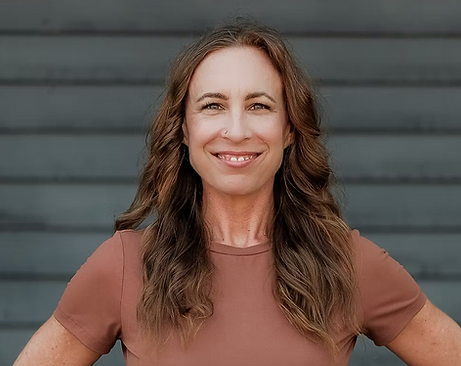
Jamie Molnar LMHC, RYT, QS
Jamie has over 20 years of experience and specializes in complex trauma, high-conflict situations, and the deep inner work that creates lasting change. She brings a grounded, no-nonsense warmth to even the hardest sessions. Jamie is currently on a waitlist — reach out early to secure a spot.
Frequently Asked Questions About Trauma Therapy in St. Petersburg, FL
What types of trauma do you treat?
We work with all types of trauma — including PTSD, complex trauma (C-PTSD), childhood trauma and neglect, relationship trauma and betrayal, medical trauma, grief and loss, and anxiety or depression rooted in past experiences. If you're not sure whether what you've been through "counts," reach out — it counts.
Do I have to talk about what happened in detail?
No. Good trauma therapy is never about forcing you to relive events before you're ready. We build safety and regulation skills first. You are always in control of what you share and when.
What is the difference between PTSD and complex trauma?
PTSD typically develops after a single traumatic event. Complex trauma (C-PTSD) develops after prolonged, repeated trauma — often in childhood or in relationships. Symptoms are similar but C-PTSD often also involves deep shame, difficulty with identity, and challenges in relationships. We work with both.
How long does trauma therapy take?
It depends on the nature of your trauma, your history, and your goals. Trauma therapy is often longer-term than other types of therapy — meaningful healing typically takes months rather than weeks. We check in regularly and always move at your pace.
Do you offer EMDR?
Our therapists use somatic, IFS, and DBT-based approaches to trauma. If EMDR is something you're specifically looking for, reach out and we can talk through whether our approach is a good fit or help you find a referral.
What does trauma therapy cost in St. Petersburg?
Individual sessions with Jamie Molnar are $155 for 50 minutes. Sessions with Rochelle Young are $130 for 50 minutes. Sessions with Nicole Malene are $120 for 50 minutes. We are an out-of-pocket practice and provide superbills for potential insurance reimbursement. HSA and FSA cards accepted.

