


Your Body Is Trying to Protect You — But It's Gone Into Overdrive
It comes out of nowhere. Or maybe it comes somewhere familiar — a crowded place, a stressful meeting, just trying to fall asleep at night. Your heart races. Your chest tightens. You can't catch your breath. Every instinct in your body is screaming that something is terribly wrong.
And then — just as suddenly as it started — it passes. Leaving you shaken, exhausted, and terrified of when it's going to happen again.
Maybe you've been to the ER. Maybe you've had your heart checked, your blood pressure monitored, your symptoms explained away as "just stress." And while you know intellectually that a panic attack won't kill you, that knowledge doesn't make the next one any less terrifying.
The fear of the panic attack starts to become its own kind of panic. You reroute your commute. You skip events you used to enjoy. You plan every outing around what happens if it hits. And slowly, the world starts to get smaller.
It doesn't have to stay that way. Panic attacks are one of the most treatable conditions we work with — and recovery is absolutely possible.
Signs and Symptoms of Panic Attacks
You might be experiencing panic disorder if...
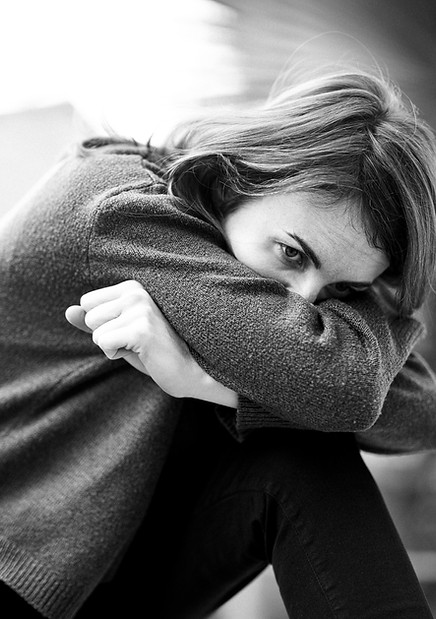
During a panic attack:
-
Heart racing, pounding, or skipping beats
-
Shortness of breath or feeling like you can't get enough air
-
Chest tightness or pain
-
Dizziness, lightheadedness, or feeling faint
-
Tingling or numbness in hands, feet, or face
-
Sweating, shaking, or chills
-
Nausea or stomach pain
-
A feeling of unreality — like you're watching yourself from outside your body
-
An overwhelming sense that something terrible is about to happen
In between panic attacks:
-
Constantly anticipating when the next one will come
-
Avoiding places, situations, or activities where a panic attack has happened before
-
Checking your body for signs that one is coming
-
Difficulty sleeping because your nervous system won't calm down
-
Feeling like you can't trust your own body
-
Withdrawing from work, socializing, or things you used to enjoy
If this sounds like your life, you're not going crazy. Your nervous system has learned a pattern — and with the right support, it can learn a new one.
What's Actually Happening in a Panic Attack
About 11% of Americans have a panic attack each year. They happen when the brain's threat detection system — your fight-or-flight response — fires in the absence of real danger. Your body responds exactly the way it would to a genuine emergency: flooding with adrenaline, accelerating your heart rate, shutting down digestion, bracing for impact.
The problem is, there's no emergency. And the intensity of the physical response — which is completely real and completely involuntary — becomes terrifying in itself. Which triggers more anxiety. Which triggers more physical symptoms. Which is where the cycle comes from.
Understanding this isn't just reassuring — it's therapeutic. When you know what's happening in your body, you can start to work with it instead of against it.
Our Approach to Panic Attack Therapy in St. Petersburg
Somatic Therapy & Neurobiology — the foundation of our panic work. We help you understand exactly what happens in your nervous system during a panic attack, and teach you body-based techniques to interrupt the cycle before it escalates. The more fluent you become in your own body's language, the less frightening it becomes.
Pranayama & Breathwork — your breath is the most direct access point to your nervous system. Specific breathing techniques from yogic tradition activate the parasympathetic response — the physiological opposite of a panic attack. This is one of the most powerful tools we give clients, and it works fast.
Cognitive Behavioral Therapy (CBT) — helps you identify the thoughts and interpretations that fuel panic. The thought "something is terribly wrong with my heart" and the thought "this is a panic attack and it will pass" produce very different physiological responses. CBT helps you get to the second one faster.
Exposure & Response Prevention — gradually and safely approaching the situations you've been avoiding, with your therapist right beside you. Avoidance maintains panic. Gradual exposure dissolves it.
Mindfulness & Meditation — teaches you to observe sensations without catastrophizing them. The wave of anxiety comes — and you learn to let it pass, without fighting it, without running from it.
What to Expect in Panic Attack Therapy at BYBS
Your Free Consult — A 15-minute call to get acquainted and make sure we're the right fit. No pressure, no commitment.
Your First Sessions — We slow down and get to know your full picture — when the panic attacks started, what triggers them, how they've changed your life. We build safety before we go anywhere challenging.
Building Your Toolkit — You'll leave sessions with concrete skills you can use immediately — breathing techniques, grounding practices, thought reframes. This isn't just insight work. It's practical.
Ongoing Work — As your nervous system learns to feel safer, we expand what's possible. The world starts to get bigger again.

"But I'm Not Sure I Can Do This..."
"Facing my anxiety sounds terrifying."
We never move faster than you're ready to go. Everything we do is gradual, collaborative, and at your pace. The courage it takes to make the first call is often the hardest part — and we'll guide you through everything after that.
"I barely have energy to leave the house."
Telehealth is available for all clients throughout Florida. You can start therapy from your couch. Many clients find that building skills at home first makes everything else feel more manageable.
"I should be able to get over this on my own."
Panic attacks are a nervous system pattern — not a willpower problem. You wouldn't try to reset a dislocated shoulder on your own. A skilled therapist gives you the tools and the guidance to do what's genuinely hard to do without support.
Frequently Asked Questions About Panic Attack Therapy in St. Petersburg, FL
What is the difference between a panic attack and a panic disorder?
A panic attack is a single episode of intense physical and psychological fear that peaks within minutes. Panic disorder is diagnosed when someone has recurrent panic attacks and begins significantly changing their behavior to avoid future ones. Both are treatable — and the sooner you get support, the faster recovery tends to be.
Can panic attacks be cured?
Many people achieve complete remission from panic attacks with therapy. Others learn to manage them so effectively that they no longer interfere with daily life. Either way, life with panic disorder does not have to look like the life you're living right now.
Do I need medication for panic attacks?
Not necessarily. Therapy — especially CBT and somatic approaches — is highly effective for panic disorder with or without medication. Some clients benefit from a combination. We don't prescribe, but we're happy to coordinate with your doctor or psychiatrist if medication is something you want to explore.
How long does panic attack therapy take?
Many clients see significant improvement within 12–20 sessions. Panic disorder often responds faster than other conditions because the techniques are concrete and the results are measurable. We check in on your progress regularly.
Do you offer online panic attack therapy in Florida?
Yes. Both therapists offer secure telehealth sessions throughout Florida — particularly helpful for clients whose panic has made leaving the house difficult.
What does panic attack therapy cost in St. Petersburg?
Sessions with Rochelle Young are $130 for 50 minutes. Sessions with Nicole Malene are $120 for 50 minutes. We are an out-of-pocket practice and provide superbills for insurance reimbursement. HSA and FSA cards accepted.
Ready to Work with a Panic Attack Therapist in St. Petersburg, FL?
You deserve to feel safe in your own body again — in your own life again.
Our panic attack therapists in St. Petersburg, FL are currently accepting new clients. The first step is just a conversation.
STEP 1
Complete the Free Consult Request
STEP 2
Chat with Us
STEP 3
Begin Your Journey
Meet Your Panic Attack Therapists in St. Petersburg, FL
Rochelle Young, LMHC, ADHD-CCSP
Rochelle has deep experience working with anxiety and panic — especially the kind that shows up alongside ADHD, perfectionism, or years of pushing through and white-knuckling it. Her warm, grounded approach helps clients build real skills for managing panic while addressing the deeper patterns that keep it going. Rochelle is currently accepting new clients.

Nicole Malene, RMHCI – Trauma & Relationship Therapist

Nicole's somatic, body-aware approach is particularly powerful for panic work. She helps clients develop a different relationship with their nervous system — one built on awareness and trust rather than fear. Her calm presence in session often models exactly what clients are working toward. Nicole is currently accepting new clients.

